If you have polycystic ovary syndrome (PCOS) — more on its recent renaming to PMOS in a moment — a quick internet search on how to eat for your condition will likely leave you feeling overwhelmed and terrified of carbohydrates. Odds are you’ll also feel guilty for craving those carbohydrates.
There’s no shortage of influencers, health “experts” and, sadly, actual healthcare providers telling you to ditch dairy, eliminate gluten, swear off sugar, and commit to restrictive regimens like the keto diet. But if you’ve already tried this diet and that diet only to end up in a restrict-binge cycle every time, you’re not wrong to feel some trepidation at the prospect of another dietary clamp down.
Unfortunately, one theme running through many of these dietary recommendations is that if you have PCOS, you need to lose weight or focus heavily on not gaining weight. This just adds to the body dissatisfaction — often accompanied by guilt and shame — that many people with PCOS already experience, whether because of their body size, their carb cravings, their struggles with infertility, or other physical manifestations of their health condition.
I’ve had many people ask me if there is actually a single, scientifically proven “PCOS diet.” The short answer? No single, universal diet is scientifically proven to be the only way to manage this condition. But before we dig into what the evidence actually says about nutrition, let’s talk about that recent renaming.

PCOS is now PMOS: why the name change matters for your health
As I wrote about for The Seattle Times, this year 56 professional and patient organizations collectively, and officially, changed the name of polycystic ovary syndrome (PCOS) to polyendocrine metabolic ovarian syndrome (PMOS). It was a change 14 years in the making.
Why does this matter? For decades, the term “polycystic ovary syndrome” caused significant confusion among both patients and healthcare providers. The so-called “polycysts” — which aren’t present in every case of PMOS and aren’t required for diagnosis— are actually small, immature ovarian follicles that can’t mature because of high levels of testosterone and other androgens.
By officially adding “metabolic” and “polyendocrine” to the name, the medical community is finally acknowledging that PMOS is a whole-body condition affecting insulin, androgens, and systemic inflammation. It also emphasizes that increased risk of metabolic health conditions such as type 2 diabetes and cardiovascular disease are core features of this condition, rather than mere side effects.
This validates what many of you have felt for years: your symptoms are real, they are interconnected, and they go far beyond reproductive health.
The myth of the ‘One Perfect PMOS Diet’
Because PMOS has strong metabolic components, it’s highly targeted by diet culture. You’ll often hear that going ultra-low-carb or keto is mandatory.
However, the International Evidence-based Guideline for the Assessment and Management of Polycystic Ovary Syndrome, which was comprehensively updated in 2023, clearly states that there is no single “best” diet for managing the condition. Rather than endorsing one strict set of dietary rules, the guidelines emphasize the importance of sustainable, healthy lifestyle habits that are individualized to each person. (TW: there is some talk of “weight management” in the guideline.)
In fact, restrictive diets often do more harm than good. A 2024 systematic review and meta-analysis highlighted a significantly increased prevalence of binge eating disorder and bulimia nervosa among people with PMOS. When someone prescribes rigid dietary rules to help treat or manage PMOS, they risk triggering disordered eating.
You don’t have to sacrifice your relationship with food to improve your physical health.

What the evidence actually supports: gentle nutrition for PMOS and PCOS
If there isn’t one strict diet, how do we use nutrition to manage PMOS from an evidence-based, weight-inclusive, non-diet perspective? We take a gentle nutrition approach. One aspect of this approach is that instead of focusing on what to cut out, we focus on what to add in.
1. Balance blood sugar instead of restricting carbs
Because insulin resistance — when cells in the body fail to respond normally to insulin, the hormone that moves glucose (sugar) from the blood into the cells, where it’s used for energy — is a core feature of PMOS, keeping blood sugar stable is a priority. But you don’t need to cut out carbs to do this.
Instead, pair your carbohydrates with protein, fat, and fiber. For example, instead of eating a plain apple, pair it with a handful of almonds or a scoop of peanut butter. This slows down digestion and provides a steady release of energy, which helps manage blood sugar levels and reduce cravings.
2. Add anti-inflammatory foods for PMOS symptoms
Chronic, low-grade inflammation is another driver of PMOS symptoms. A gentle nod toward Mediterranean-style eating — which is highly anti-inflammatory — has been shown to be beneficial. And eating “Mediterranean-style” doesn’t mean you need to eat the same exact foods they eat in Greece and Italy, because research has found benefit from using fruits, vegetables and other foods readily available in the U.S. and applying them to a Mediterranean-style eating pattern. (Just fyi.)
The reason I say to lean gently into anti-inflammatory eating is that there is a lot of information out there about anti-inflammatory eating, and unfortunately much of it is not evidence based. (For example, many “anti-inflammatory protocols” you might find call for eliminating dairy and gluten.) You can incorporate evidence-based anti-inflammatory principles by adding:
- Omega-3 fatty acids: Found in salmon, walnuts, chia seeds, and hemp hearts.
- Colorful produce: Berries, leafy greens, tomatoes, and citrus fruits are packed with antioxidants that combat cellular damage.
- Gut-supportive foods: Foods containing prebiotic fibers and probiotic foods (especially yogurt and kefir) support the gut microbiome, which plays a role in regulating inflammation and hormones.

3. Prioritize protein to improve insulin sensitivity
Research highlights the importance of adequate protein intake and maintaining or even building muscle for PMOS. Skeletal muscle is the largest consumer of glucose in the body, meaning that maintaining or building muscle through resistance training is a direct, physiological lever to improve insulin sensitivity (i.e., to help insulin do its job better).
To support your muscles, be thoughtful and intentional about eating enough protein throughout the day — aiming for satisfying portions of foods like poultry, fish, tofu, beans, or Greek yogurt at every meal. This does not mean you need to jump on the proteinmaxxing bandwagon. Focusing too heavily on protein can inadvertently mean excluding other foods that provide fiber and important nutrients.
Do you really need a gluten-free or dairy-free PMOS/PCOS diet?
Unless you have Celiac disease, a diagnosed non-Celiac gluten sensitivity, or a dairy allergy/intolerance, there is no robust scientific evidence indicating that removing gluten or dairy improves PMOS. For some individuals, dairy can exacerbate acne, but this is highly individual. Blanket recommendations to remove these foods often just lead to unnecessary restriction, food anxiety, and a lower quality of life.
Beyond food: whole-person care for PMOS and hormone health
As a registered dietitian nutritionist with an advanced degree in nutrition science, I know that nutrition plays an important role in health. I also know that your health is not just about what you eat. For example, PMOS is heavily influenced by stress hormones, such as cortisol. If your diet and/or other aspects of your life are causing you immense stress, this actively works against your hormonal health.
The evidence shows that these non-diet factors are just as crucial as your meals:
- Sleep: Poor sleep directly worsens insulin resistance.
- Stress management: High stress levels increase androgens and exacerbate PMOS symptoms.
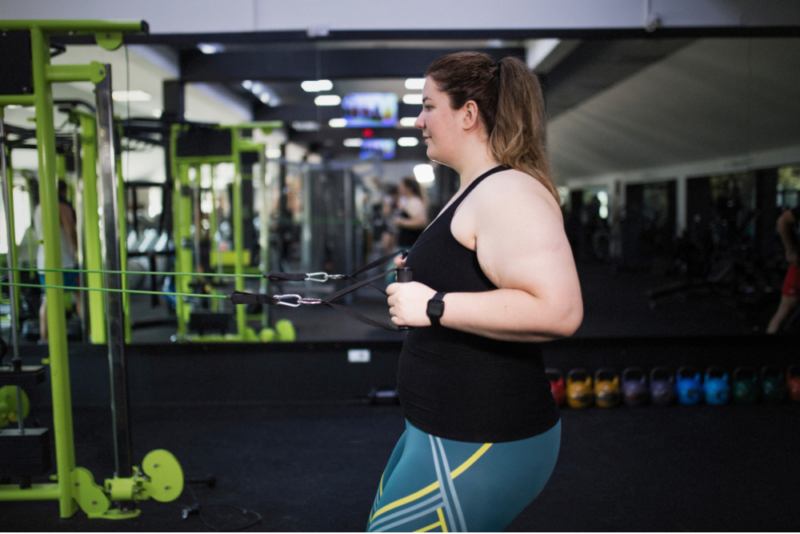
- Joyful movement: Regular physical activity (especially resistance training) improves how your cells respond to insulin. This is true for bodies of every size.
The Bottom Line
The next time you see an influencer pushing a “PMOS Protocol” that requires you to eliminate your favorite foods, remember this: the best, most evidence-based diet for polyendocrine metabolic ovarian syndrome is one that you can actually sustain. It is one that honors your cultural background, your budget, your taste preferences, and your mental health. It’s one that doesn’t leave you feeling hungry and deprived.
You don’t have to navigate this confusing landscape alone. If you’re looking to step away from diet culture and find a peaceful, individualized way to manage your PMOS, I’m here to help. Click here to learn how to get started. let’s work together to reconnect you with your body’s internal wisdom.
Disclaimer: All information provided here is of a general nature and is furnished only for educational purposes. This information is not to be taken as medical or other health advice pertaining to an individual’s specific health or medical condition. You agree that the use of this information is at your own risk.
Hi, I’m Carrie Dennett, MPH, RDN, a weight-inclusive registered dietitian, nutrition therapist and body image counselor. I offer compassionate, individualized care for adolescents adults of all ages, shapes, sizes and genders who want to heal from an eating disorder, disordered eating or chronic dieting, cultivate an accepting, respectful relationship with their bodies, and gain the freedom to live an authentic, meaningful life without obsessing about food.
Need 1-on-1 help for your nutrition, eating, or body image concerns? Find out how to get started. I’m in-network with Regence BCBS, FirstChoice Health, Providence of Oregon Health Plan and United Healthcare, and can bill Blue Cross and/or Blue Shield insurances in many states. If I don’t take your insurance, I can help you seek reimbursement on your own. To learn more, explore my insurance and services areas page.
Print This Post