Perfectionism: setting the stage for eating disorders?

2024-03-13T09:47:38-07:00By |

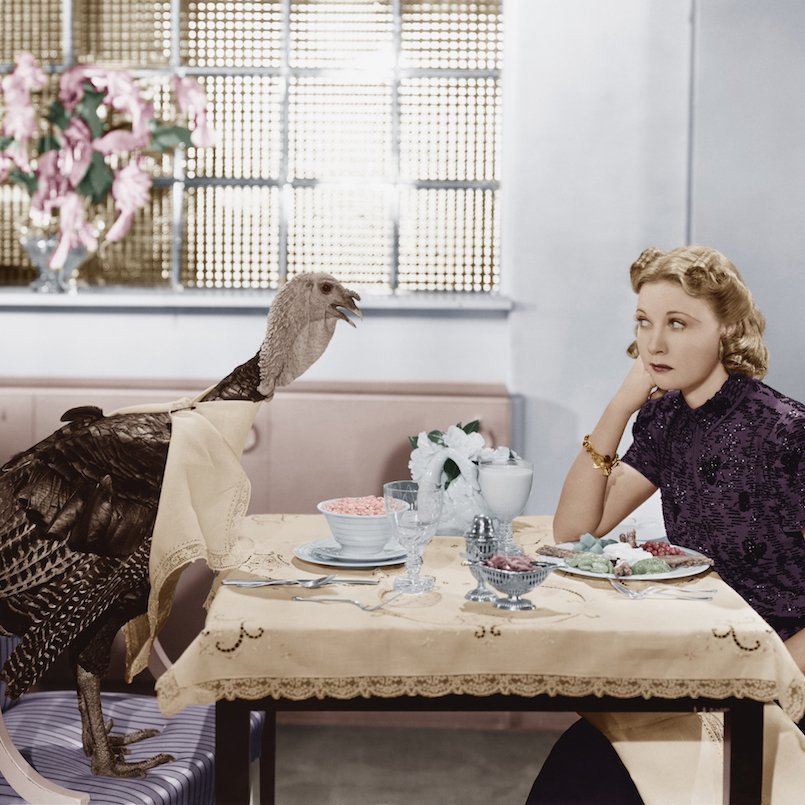
Perfectionism can be strongly related to eating disorders because the drive to be (or appear) perfect can trigger disordered eating patterns at various points along the spectrum. This could mean anything from occasional emotional/stress/comfort eating to orthorexia to full-fledged eating disorders.

My origin story, on the latest episode of Food Psych

2024-03-13T09:47:43-07:00By |

I'm thrilled to appear in the current episode of the Food Psych podcast, hosted by fellow Intuitive Eating and anti-diet dietitian Christy Harrison. In this interview, I talk about the origins of my own food and body issues that began in early childhood, my history of chronic dieting, and my movement to a Health At Every Size philosophy.

Exercise to stay strong, not to become less

2024-03-13T10:09:32-07:00By |

I have a mantra when I exercise: “Exercise to be strong, not smaller.” It’s what gets me through on those days when body image is not exactly in peak form, as I dare say is the case for everyone, at least from time to time. It’s also a way of continuing to deprogram myself from decades of believing that the primary benefit of exercise was weight loss.

Beyond Health at Every Size: A body manifesto

2024-03-13T10:09:34-07:00By |

I attended the Association for Size Diversity and Health conference a few weekends ago. I've been processing ever since. My thinking about sizeism and how it intersects with racism, sexism, classism and a whole lot of other -isms certainly evolved in this weekend, in part because of the words of Linda Bacon.

Celebrating diversity…and Health at Every Size

2024-03-13T10:09:35-07:00By |

I'm in Portland this weekend at the Association for Size Diversity and Health conference, which I'm totally excited about, and not just because the speakers include Linda Bacon, author of Health At Every Size: The Surprising Truth About Your Weight, and Christy Harrison, host of the "Food Psych" podcast.

The joy of the angry email…really!

2024-03-13T10:09:39-07:00By |

So, I was minding my beeswax the other night when an angry email from a researcher popped into my inbox. He did not appreciate the vague reference (I did not mention the title, the publication, or the researchers names) to one of his studies in my Seattle Times column that had JUST been posted to the Times website that day. Dude must be part bloodhound.

The problem with weight loss outliers

2024-03-13T10:09:40-07:00By |

I recently had a rather heated discussion with someone near and dear to me about the alleged association between higher body weights (body mass indexes, or BMIs, in the "overweight" or "obese" ranges) and health problems. Let's just say that if our walking route had taken us a little closer to Lake Washington, I might have tossed him in.

Why to Hygge

2024-03-13T10:09:51-07:00By |

I don't remember exactly when I first heard of hygge (HOO-geh)...sometime last year I think. My first thought was that this was the next trend to replace the "life-changing magic of tidying up." My second thought was that I was intrigued.

Embrace Your Body

2024-03-13T10:09:54-07:00By |

One of the things I love about spending time on a beach in Hawaii is the bodies on display. All kinds of bodies. It's a really good reality check about your own body...namely, the fact that, yes, you have one and it's carried you this far in life. I kind of got that Hawaii feeling when I watched Embrace. We all have bodies, and those bodies are not one-size-fits-all.

I’m Your Dietitian, Not The Food Police

2024-03-13T10:10:04-07:00By |

It’s a refrain I hear a little too often: “I just need someone to tell me what to eat.” In today’s age of rampant nutrition confusion, I sort of get it—but on another level I don’t get it, not at all. I'm not your boss, I'm not your mother, and I'm definitely not the food police. As adults, we need to be able to make decisions about the things that are important to our health and happiness.

Die, Diets, Die!

2024-03-13T10:10:07-07:00By |

Last week, I was sitting with a group of my Menu for Change patients at an event, and one of my long-time patients said that whenever she tells someone about Menu for Change, they ask her, "So, what's the diet like?" She looked at me, and we laughed, and I said, "I would rather die than put someone on a diet." And that's the truth. Because diets don't work.

Book Review: The Happiness Trap

2024-03-13T10:17:45-07:00By |

I lead an every-other-month book club at Menu for Change, and our most recent book pick was Russ Harris' The Happiness Trap: How to Stop Struggling and Start Living. I originally bought the book based on recommendations from colleagues who work with patients who struggle with emotional eating, anxiety, eating disorders, and so on. Their recommendations were spot-on.

Health obsession and “body projects”

2024-03-13T10:19:23-07:00By |

Have you ever done a “body project”? To some extent, any diet is a body project, but I did an “official” body project four summers ago, dedicating four months of my life to an online fat loss competition. Like, one of those competitions where you post before-and-after photos of yourself wearing not a lot of clothing, with the chance of winning a trip to Hawaii dangled in front of you as a carrot.

HAES and the healthcare system

2024-03-13T10:19:23-07:00By |

In yesterday’s post, I presented observations from Lucy Aphramor, PhD, RD, about how society-wide weight stigma and social disparities contribute to obesity. Social determinants of health, which include income and education level, among other things, are a major focus of public health. Linda Bacon, her co-author on the upcoming book Body Respect, said she has observed a failure to turn words into actions in the spheres of health education and public health.

HAES and society: Why weight stigma affects us all

2024-03-13T10:19:24-07:00By |

Talk to Linda Bacon and Lucy Aphramor for an hour in a coffee shop, as I did for The Seattle Times, and you walk away quite clear that the root causes of obesity go much deeper than individual choice and responsibility. Weight stigma and social disparities are profound contributors to the so-called obesity epidemic.

Go to Top